Case studies · Personal · Chennai · CRIF High Mark
Home · Case studies · CRIF dispute rejected, then corrected
CRIF rejected his dispute. The right escalation removed the wrong accounts anyway: 510 → 754

Background
Mr. Prateek Prasad of Chennai arrived at our desk on 19 August 2026 carrying the most discouraging version of this problem: loan accounts on his CRIF High Mark report that were not his, a score dragged down to 510 — and a paper trail of failure behind him. He had tried multiple agencies. He had raised a dispute with CRIF himself, done everything a borrower is told to do — and the bureau rejected it. He was, understandably, skeptical that we would be any different. We told him what we tell everyone in that position: a rejected dispute is a closed ticket, not a closed case.

The case did not arrive as Prateek's. It arrived as his sister's loan rejection — she came to us for help with credit report rectification, and the review led to her brother's profile. On his CRIF High Mark report sat multiple loan accounts against his name, some of them showing as settled. The discrepancy that decided the case was one glance at the dates: the loans were reported for years in which Prateek was still a minor. He could not have legally taken them. That is not a dispute about a balance; it is a record of loans that could never have been his.
So the first thing we told the family was the thing that saved them money: if these loans were never availed by Prateek, there was no requirement to pay or settle a rupee of them. Paying towards an account that is not yours does not fix the record — it validates it. The route was correction at the bureau level, through the escalation lane above a rejected dispute, with the dates themselves as evidence. The family understood, agreed, and the file went to Aradhana for the escalation.
The approach — when the bureau has already said no
A rejected bureau dispute usually means one thing: the reporting institution "verified" the line without genuinely checking it, and the bureau closed the ticket on that word. Re-filing the same dispute produces the same rejection. What the situation needed was the escalation lane above the bureau — so a public-grievance (PMO) complaint went in, built properly: the wrong accounts identified line by line, the impossible dates — loans reported for years in which he was a minor — set out plainly, the supporting evidence attached, the prior rejection documented. That last part matters — a rejected dispute is not wasted effort; it becomes proof the ordinary channel failed, which is exactly what an escalation needs to show.
The outcome
Within about 15 days, every incorrect loan account was removed from his CRIF report. The before/after arithmetic, from his own reports: 25 accounts down to 21, overdue accounts 3 down to zero, total amount overdue — an overdue burden in lakhs that was never his — down to zero, and the score from 510 to 754: a 244-point movement, the largest we have documented on a CRIF report. A file that two agencies and the bureau's own process had left broken took one correctly-aimed escalation to fix.
Report evidenceView his CRIF reports — before and after+
Tap to compare the two reports
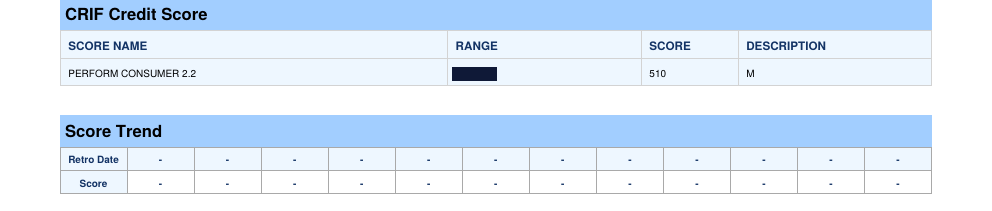
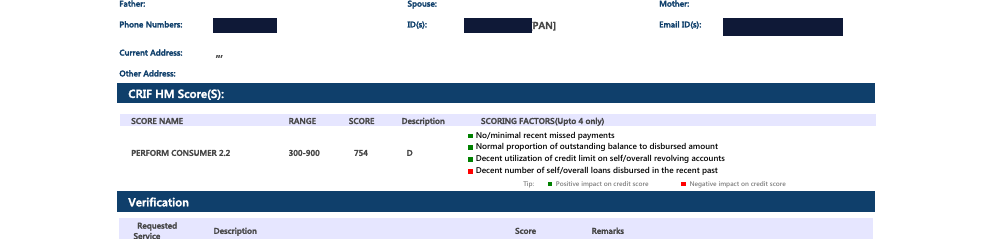
The account summary — the wrong accounts and their overdue burden, then gone
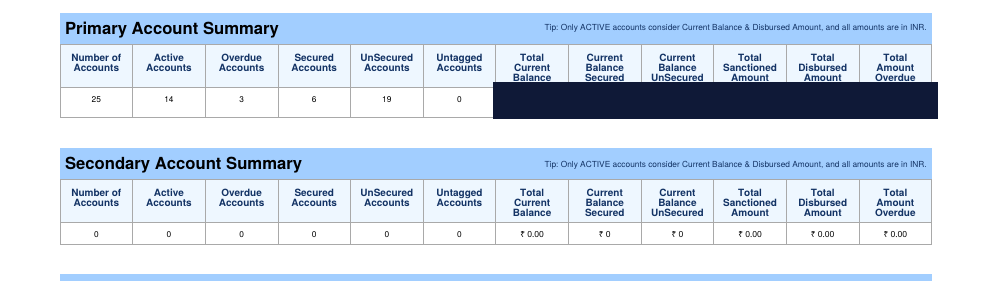
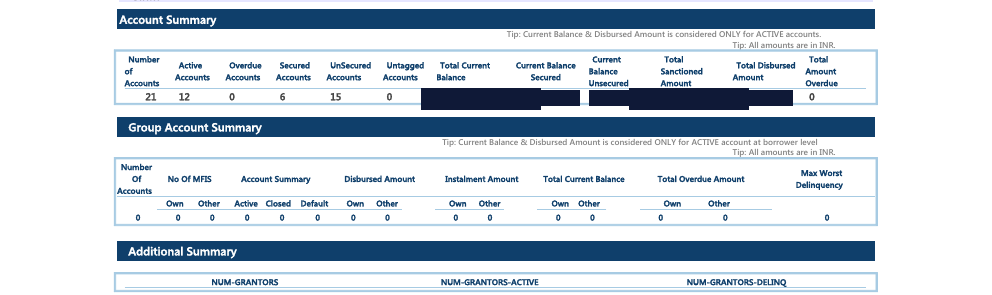
Raw extracts from Mr. Prateek's own CRIF High Mark reports, labelled by report dates. Account numbers, amounts and identifiers are redacted. Published with his consent.
Excellent experience with Kenstone Capital! I really appreciate the work done by the entire team, with special mention to Ms. Aradhana. Very professional, transparent, and efficient in handling the task and prompt resolution. Highly recommended!
Why this case matters
Because "my dispute was rejected" is where most people stop — and this case documents that it is not where the road ends. Bureau disputes fail for a structural reason: the bureau asks the same institution that made the error to confirm the error, and "verified" comes back. The remedy is not repetition; it is escalation with the rejection as evidence — the full dispute-to-escalation ladder is here, and it works the same way at every bureau, including the three everyone forgets to check. It also documents a principle we would rather lose a fee over than compromise: never pay or settle an account that was never yours — payment validates the error instead of fixing it. And it is worth saying plainly: this client came to us skeptical, after paying others for nothing — which is exactly why we put a written analysis before any payment, so the plan can be judged before a rupee moves. His CRIF report needed fifteen days. His trust, reasonably, took the full before/after evidence — published above, alongside what he wrote once it was done.
More documented cases
Different problems. Same standard.
Three lenders, four bureaus — one report finally telling the truth
737 → 790 · 40–45 days · ₹16L sanctioned
 By Smitha N
Stuck for a year — even with another agency. Closed in three months.
2–3 months · overdue removed
 By Michelle Juanita
Three delinquencies, two banks — one corrected rank
CMR 7 → 5 · 15 days
 By Akshatha Shetty
A genuine written-off account, resolved the honest way — in 14 days
14 days · NDC obtained · fully remote
By Aradhana Prasad